
Category: PRODUCT BUYING TIPS
HOW TO CHOOSE THE RIGHT WALKING SHOES
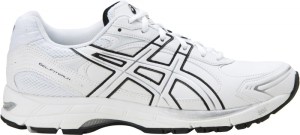
Walking requires proper footwear in order to prevent injury, improve your performance and keep you comfortable on long walks. Generally walking shoes have good shock absorption in the heels and in the balls of the feet. They tend to be a bit stiffer and more supportive than running shoes. They also have a very flexible forefoot in order to allow for the natural bend of the foot. They feature a slightly angled heel so that you have a smooth heel to toe roll. You should look for a shoe that meets your requirements in terms of foot type, injury patterns, speed and walking surface.
Knowing what type of feet you have and having a basic understanding of the terminology used to describe footwear will help you figure out what shoe is best for you. Remember, you should always try on any shoe you intend to buy for fit and comfort.
- Pronators: (those with flat feet and little to no arch) should look for a motion control shoe which will provide support for the inside of the foot and prevent you from overusing the inside edge of your foot. Pronators should also look for a reinforced heel for stability and control. Try to avoid shoes with too much padding.
- Supinators: (those with high arches) should look for greater stability and a shoe with an outer sole, insole and midsole for extra shock absorbency. Curved shoes are probably the best for supinators as they have rigid feet. Try to buy shoes with reinforced material around the ankles for maximum support and extra cushioning under the ball of the foot for extra comfort.
- Neutral feet: For those of you who have neutral feet you can wear just about any shoe and you will have proper support and comfort. You may find that shoes with a curved shape will fit best. Even if you have neutral feet and no issues with injury, you should still invest in a good pair of walking shoes.
Sportsmart stocks a variety of walking shoes for both men and women. You can view our walking shoes online or come into one of our stores to try them on and get expert advice from our footwear staff on picking shoes that are right for you.
HOW TO CHOOSE THE RIGHT BOXING GLOVES
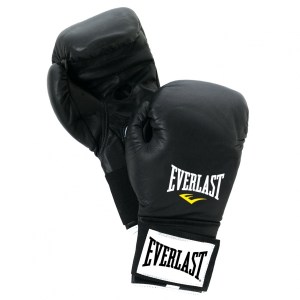
Boxing has always been a very popular sport. The athlete’s ability combined with their boxing equipment is what makes them a great boxer. Choosing the right boxing gloves is one of the most important decisions a boxer has to make before setting foot in the ring.
If you are new to boxing, you need to have the right pair of gloves. Don’t go straight for the best looking ones, do some research. Leather gloves are usually highly recommended. They do cost a bit more than gloves made from other materials, but on the plus side they last a lot longer and offer more support. If you want to use boxing gloves simply for a fitness class, the material shouldn’t matter too much.
Next, you have to consider the way the gloves are going to close. There are two main options; both depend on what you will be using the gloves for. You can get gloves that tie onto your hands, this is what professional boxers use. The feeling should be similar to that of wearing shoes, tying the laces will make the gloves feel snug. You also have the option of using gloves with Velcro straps. The advantage of these is that you can put them on and take them off by yourself whereas with gloves with laces you will need someone else to put them on and take them off for you. Again, if you are an average person looking for decent gloves for fitness and training purposes you can use the boxing gloves with the Velcro straps.
Another important factor to consider is the size of your boxing gloves. Sizes include small, medium and large and are made for both men and women. Average men will normally need a large and average women will normally need a medium. Try your boxing gloves on with wraps if possible. Your fingers need to curl to about 1cm at the end. If the gloves feel a little bit tight then they are a good fit.
Sportsmart stocks a large range of boxing gloves and equipment for both professional and training needs. View our boxing range online or visit one of our stores to get expert advice in choosing the right boxing gloves for you.
KIDS FOOTWEAR BUYING GUIDE: NETBALL SHOES
by Gerrard Woods, Director, Sportsmart
Sportsmart stocks a wide range of children’s footwear for a variety of sports.
Our buying guides provide some useful information to help parents know what features to look for in shoes for their kids.
Our footwear staff can help with further information and fitting in-store, to help ensure kids get the best shoes for their needs.
NETBALL SHOES
Cushioning
The material between the upper and the sole of the shoe.
Cushioning provides shock absorption, which is important for comfort and protection against ground impact –
i.e. running and jumping.
Ankle support
Where the upper is raised around the collar of the shoe to provide support to the ankle.
Provides stability to the heel and mid-foot, which will reduce stress to kids’ feet and legs.
Outsole grip
The bottom of the shoe that is in contact with the court surface.
Good grip is important for movement and ensures that the shoes will last longer. Netball shoes have more
durable outsoles than normal running shoes.
KIDS FOOTWEAR BUYING GUIDE: AFL BOOTS
by Gerrard Woods, Director, Sportsmart
Sportsmart stocks a wide range of children’s footwear for a variety of sports.
Our buying guides provide some useful information to help parents know what features to look for in shoes for their kids.
Our footwear staff can help with further information and fitting in-store, to help ensure kids get the best shoes for their needs.
AFL BOOTS
Upper material
The material that covers the upper of the boot. The most common upper materials are leather (kangaroo or cow) or synthetic.
Contributes to the overall comfort of the boot. Leather upper stretches and provides a better fit than synthetic materials, although it is not waterproof and must be cared for to be as durable as synthetic versions.
Studs
Studs are the objects that are raised from the outsole underneath a boot. There are three types available:
Hard ground – made from rubber and slightly soft
Firm ground – slightly longer than hard ground studs
Soft ground – generally made from metal or nylon that screw into the bottom of the boot. Suitable for wet and muddy surfaces.
Studs provide the grip on the playing surface. These days, as sports grounds are receiving less water, firm ground studs are the preferred choice. Make sure you choose an appropriate stud/sole for all the surfaces your child plays on. Check with your league about their rules with regard to studs.
Fit
How well the boots fit your child. As football involves kicking, the fit should be tight but comfortable.
Ensure your child tries on AFL boots with footy socks, as they are a lot thicker than regular socks. If you forget, Sportsmart has suitable try-on socks in store.
KIDS FOOTWEAR BUYING GUIDE: BASKETBALL SHOES
by Gerrard Woods, Director, Sportsmart
Sportsmart stocks a wide range of children’s footwear for a variety of sports.
Our buying guides provide some useful information to help parents know what features to look for in shoes for their kids.
Our footwear staff can help with further information and fitting in-store, to help ensure kids get the best shoes for their needs.
BASKETBALL SHOES
Cushioning
The material between the upper and the sole of the shoe.
Cushioning provides shock absorption, which is important for comfort and protection against ground impact – i.e. running and jumping.
Ankle support
Where the upper is raised around the collar of the shoe to provide support to the ankle. In the case of basketball shoes, this may cover the ankle bone.
Ensures stability of little ankles to help avoid injury.
Outsole grip
The bottom of the shoe that is in contact with the court surface.
Gives greater court traction, which allows kids to move around easier and ensures the shoes last longer.
TENNIS RACQUET GRIP SIZE
Sportsmart Tennis Manager and TCAV tennis coach, Ray James
All senior tennis racquets alter in grip size. Grips are specifically designed to suit the varying hand size of players.
Most women prefer to use smaller grip sizes – such as 41/8, 41/4 or 43/8 – due to the smaller size of their hand.
Most men prefer to use a larger grip size, such as 43/8 or 41/2.
Grip size is measured by the overall circumference of the grip in inches.
An easy guide to working out your ideal grip size is to grip the tennis racquet normally. If your fingertips are touching the back of the thumb, the grip is too small. You need to ensure there is a small gap between the tips of your fingers and your thumb.
CARING FOR GOALKEEPER GLOVES
Sportsmart Football Manager, Andrew McCaig
Wear and tear
From the first moment you use your goalkeeper gloves you will start to notice wear and tear of the latex. This is natural. The effect is similar to how, after using an eraser on paper, it wears at once, but is not any less functional. As the latex wears, the quality of the grip is not compromised. The latex is consistant all the way until completely worn through. Never rub the goalkeeper glove palms together as the abrasion creates wear immediately.
Durability
Dry and/or rough surfaces quickly wear a soft latex goalkeeper glove, so use a harder or rougher dimpled palm in these conditions. A rougher latex is more durable than a soft latex, so use a rough latex for hard, dry and indoor surfaces and a soft latex in the wet or muddier conditions.
Best care for use
Remember to dampen the latex palms before using your goalkeeper gloves. This has two benefits: it reduces abrasion and heightens the grip quality. Top-class goalkeepers always carry a towel and water bottle with them in their goals. A keeper can then dampen his gloves during a game to wash away residue.
Care after use
After evey use, wash your goalkeeper gloves by hand in lukewarm water with a mild detergent, rubbing the palms gently. This will remove greasiness and film build-up on the palms, which is common on grassy surfaces and can badly damage the grip quality of the latex if not removed. Allow your gloves to dry naturally – not on vents or heaters and never in direct sunlight. UV rays cause latex to prematurely dry out and become brittle. Dry in a shaded breezy area for best results. Washing and drying carefully will help to ensure your goalkeeper gloves will retain their comfort and grip.
Storage
Never store your goalkeeper gloves together when wet as they will dry stuck to each other, which can damage the latex palms. A quality glove bag that allows airflow and has a separate compartment for storage should be used.
*Our Moorabbin store stocks quality Uhlsport goalkeeper bags and specialised Uhlsport goalkeeping glove cleaning solution, which is one of the best cleaners on the market.
CHOOSING THE RIGHT GOALKEEPER GLOVES
Sportsmart Football Manager, Andrew McCaig
Important factors to consider when choosing goalkeeper gloves:
1. Consider features of the goalkeeper’s glove body that will suit the playing conditions.
Features can include:
- Mesh (better airflow/less sweat and generally lighter)
- Fleece-lined (good for cooler temperatures)
- Water repellent
Take these body types into consideration depending on the environment in which you are playing or training.
2. Get the correct fit and size to suit your hand.
Most glove manufacturers recommend that you never wear a glove that fits like a glove. Ensure you have approximately a thumbnail space above your middle finger on both goalkeeper gloves. Never have your fingertips at the very end of the gloves. Wearing your gloves a little larger, say by half a size, increases the shock absorption from the impact of the ball and also reduces stress on the latex and stitching. This will give the goalkeeper glove a longer lifespan.
Hands come in different shapes and sizes, so try on as many gloves as possible to get the best fit. Grab a ball and feel the glove on the ball, bounce the ball and get to someone to throw the ball to you. You should get a good feel of the ball, making sure there is no movement around the palm inside the goalkeeper glove. Movement inside the glove increases the risk of the ball slipping from your grip. The latex palm of the goalkeeping glove is designed to give you shock absorption and maximise grip, especially in wet conditions.
Goalkeeping gloves come in many different cuts so try as many as you can to find the cut best suited to your hand shape. The basic cuts are flat, rolled finger, negative cut and bowl cut.
ALL ABOUT SHINGUARDS
Sportsmart Football Manager, Andrew McCaig
Wearing shinguards has been compulsory for about 20 years. Over this time, the shinguard has evolved with remarkable changes. Now, with the latest materials being used, shinguards are much lighter and less cumbersome. With a large selection now available, everyone should be able to get the perfect fit.
A correctly fitted shinguard should cover about 75% of the tibia. They should not be worn too close to the knee or ankle; about 4cm should be allowed at each end so as not to impede mobility or touch.
I recommend all young children up to the age of 10 be encouraged to wear a shinguard that offers ankle and achilles protection. Getting used to the extra protection at an early age lessens injury risk and teaches them to identify a safer shinguard as they become more independent with their choices.
A shinguard that offers velcro strapping at the top and bottom also delivers more stability and lessens the chance of movement. Many shinguards now come with removable ankle protection which gives the guard a better fit over the tibia, then pulling on the ankle protection attachment. Well fitted, a shinguard should be snug around the shin and ankle, not protruding at the side of the calf like wings. This also allows any severe contact on any area of the shin to be absorbed and spread through the guard, reducing the impact on the area of contact.
Players should be aware that referees are instructed to inspect shinguards, which should be completely covered by socks/stockings. A referee can refuse a player permission to play should they feel their shinguards do not offer suitable protection.
CHOOSING THE RIGHT INDOOR SOCCER FOOTWEAR
Sportsmart Footwear Manager, Ryan Meggs
Q. What should I look for when choosing an indoor soccer boot?
There are a few key things to look for when selecting an indoor soccer boot. The materials, fit and outsole grip are all very important in providing enough grip and support as well as comfort and ball control.
Q. Why are there specific shoes for indoor soccer?
The outsole of an indoor shoe is the main difference between normal running and cross-training footwear. This is because the outsole is made from gum rubber, which is an orange/brown colour, and as it heats up it becomes sticky and provides extra grip on a variety of surfaces.
Q. What brands of indoor soccer boots does Sportsmart stock?
As indoor soccer is a becoming a very popular sport for both serious players and more social players, Sportsmart carries a wide range of boots to cater for all types of players.
The following brands are stocked at Sportsmart stores: Nike, adidas, Puma, Asics, Nomis, Kelme, Reebok, Lotto, Diadora.
 blog.sportsmart.com.au